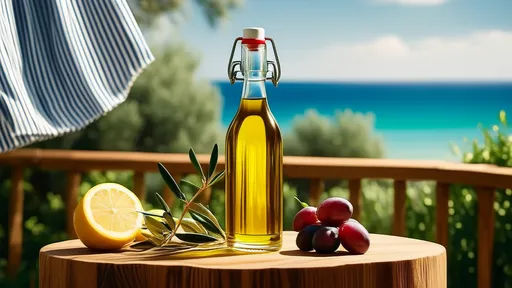
The golden elixir of the Mediterranean basin, extra virgin olive oil, is far more than a simple cooking fat. It is the very heart of the celebrated Mediterranean Diet, a culinary and cultural tradition recognized by UNESCO as an Intangible Cultural Heritage of Humanity. This diet, associated with remarkable longevity and reduced incidences of chronic disease, is not a restrictive regimen but a lifestyle, and at its core pulses the steady, rich flow of EVOO. Understanding its role, and more specifically, the nuances of its daily consumption, is to understand the secret behind one of the world's healthiest ways of eating.
The question of quantity is perhaps the most common, yet it is one without a single, rigid answer. Unlike a pharmaceutical prescription, the Mediterranean Diet operates on principles and patterns rather than strict milligrams. However, extensive research, primarily stemming from the landmark PREDIMED study, provides a robust framework. This long-term Spanish study, which investigated the effects of the Mediterranean Diet on cardiovascular health, provided participants with a liter of extra virgin olive oil per week. This translates to roughly 140 milliliters, or about 10 tablespoons, per person per week, averaging just over one tablespoon per day. This is widely considered a strong baseline for therapeutic benefits.
Yet, to fixate on a single number is to miss the point. The traditional Mediterranean approach is one of abundance within context. It is not about measuring a single daily dose into a spoon but about incorporating generous amounts into nearly every aspect of the meal. It is the fat of choice for sautéing vegetables, the base for salad dressings, a finishing drizzle over grilled fish and soups, and even a dip for crusty bread. When used in this holistic manner, intake naturally fluctuates but consistently remains within a range that confers significant health advantages, likely between two to four tablespoons daily for an active adult.
The "why" behind this consumption is a story written in biochemistry. Extra virgin olive oil's power is not derived from a single magic bullet but from a synergistic orchestra of compounds. Its high concentration of monounsaturated fats, predominantly oleic acid, is the foundation. This fat is renowned for its ability to improve blood cholesterol levels by raising HDL (the "good" cholesterol) and lowering LDL (the "bad" cholesterol), thereby reducing the risk of heart disease. But the plot thickens considerably with the presence of potent micronutrients, most notably the polyphenols, which are abundant only in high-quality, freshly produced extra virgin olive oil.
These polyphenols, such as oleocanthal and oleuropein, are fierce antioxidants and anti-inflammatory agents. Oleocanthal, for instance, has been famously compared to ibuprofen in its natural anti-inflammatory action, helping to quell the chronic, low-grade inflammation that is a root cause of many modern diseases, from arthritis to Alzheimer's. Meanwhile, these compounds also protect the oil itself from oxidation and, once consumed, protect our cells from oxidative stress and damage. This one-two punch of healthy fats and powerful phenolics is what elevates EVOO from a mere source of calories to a functional, protective food.
The benefits of this regular consumption ripple through virtually every system in the body. Cardiovascular health stands as the most proven benefit, with countless studies showing a dramatic reduction in heart attack and stroke risk. The anti-inflammatory effects support cognitive function and are linked to a slower progression of neurodegenerative diseases. It aids in blood sugar control, making it a cornerstone for managing or preventing type 2 diabetes. Furthermore, the healthy fats promote satiety, which can aid in weight management by preventing overeating, and they are essential for the absorption of fat-soluble vitamins (A, D, E, K) from the other vegetables and salads in the diet.
However, not all olive oils are created equal, and this is a critical distinction. The term "extra virgin" is legally defined and signifies the highest grade. It means the oil was produced solely by mechanical means—crushing the olives into a paste and pressing out the oil—without the use of heat or chemical solvents, a process that preserves its delicate flavors and, most importantly, its health-protective compounds. "Virgin" olive oil is a lower grade with more acidity and less pronounced flavor. "Pure," "Light," or simply "Olive Oil" are often blends of refined (chemically processed) olive oil and a small amount of virgin oil to add color and flavor; these refined oils contain negligible amounts of polyphenols. For the full health benefit, the uncompromising choice must be high-quality extra virgin.
Integrating this amount of oil into a daily routine is where the diet truly comes to life. It is a shift from thinking of oil as a mere ingredient to treating it as a fundamental component of the plate. A day might start with a tablespoon drizzled over whole-greek yogurt with berries and nuts, or on whole-wheat toast with tomato. Lunch could be a large salad with a simple vinaigrette made from two tablespoons of EVOO, lemon juice, and herbs. For dinner, vegetables are roasted or sautéed in it, and a final flourish is added over a piece of grilled chicken or fish. This approach seamlessly incorporates the recommended amount without feeling forced or medicinal.
Of course, it is prudent to consider caloric density. With approximately 120 calories per tablespoon, four tablespoons represent nearly 500 calories. For a sedentary individual, this could contribute to weight gain if it simply adds to, rather than replaces, other less healthy fats and processed foods. The genius of the Mediterranean Diet is that the EVOO primarily replaces butter, margarine, mayonnaise, and other refined oils. When it becomes the principal source of dietary fat within a diet rich in fiber from vegetables, legumes, and whole grains, the overall satiety and nutritional quality of the diet helps to naturally regulate total energy intake.
In conclusion, the daily intake of extra virgin olive oil within the Mediterranean Diet is a powerful testament to the idea that food can be both profoundly pleasurable and profoundly medicinal. It is not a pill to be taken but a culture to be embraced. Aiming for one to four tablespoons per day, depending on individual energy needs, and ensuring it is of the highest extra virgin quality, provides a foundation for harnessing its vast anti-inflammatory and antioxidant powers. It is the golden thread that weaves together the vegetables, the grains, the legumes, and the fish into a tapestry of exceptional health and flavor, proving that sometimes, the best medicine does not come from a pharmacy, but from an olive grove.

By /Aug 20, 2025

By /Aug 20, 2025
By /Aug 20, 2025
By /Aug 20, 2025

By /Aug 20, 2025

By /Aug 20, 2025
By /Aug 20, 2025

By /Aug 20, 2025

By /Aug 20, 2025
By /Aug 20, 2025
By /Aug 20, 2025

By /Aug 20, 2025
By /Aug 20, 2025

By /Aug 20, 2025
By /Aug 20, 2025
By /Aug 20, 2025
By /Aug 20, 2025
By /Aug 20, 2025
By /Aug 20, 2025

By /Aug 20, 2025
