In the ever-evolving world of athletic apparel, yoga pants have transcended their origins to become a staple in wardrobes far beyond the studio. Yet, not all yoga pants are created equal, particularly when it comes to the often-overlooked aspect of compression. The degree of pressure exerted by these garments plays a crucial role in performance, comfort, and recovery, making it essential to understand how to match this feature with specific types of movement.
The concept of compression in activewear is rooted in science. Garments are engineered to apply graduated pressure, typically strongest at the extremities and gradually decreasing towards the core. This design promotes enhanced blood circulation, which can lead to reduced muscle fatigue, decreased soreness, and improved oxygen delivery during physical exertion. For the practitioner, this translates to the ability to hold poses longer, push through a challenging flow, or simply feel more supported throughout their practice. However, the ideal level of this support is not a one-size-fits-all proposition; it is intimately tied to the intensity and nature of the activity itself.
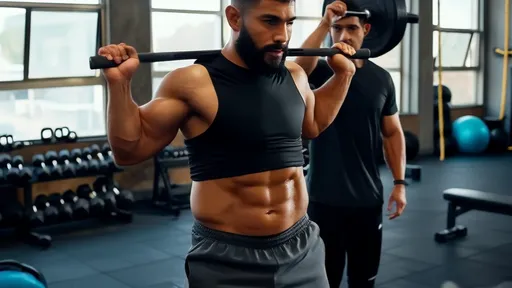
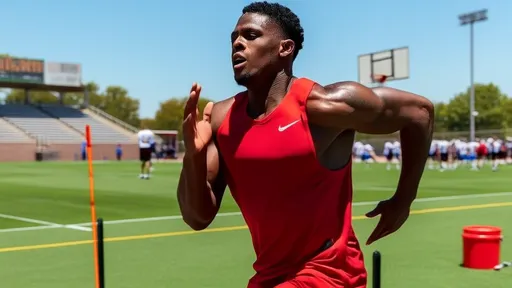
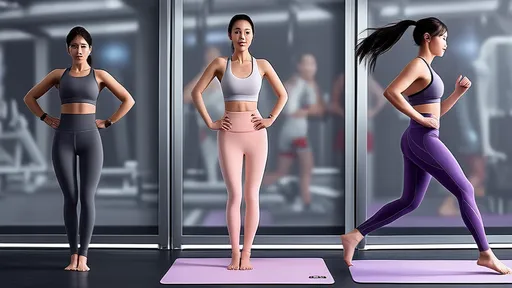
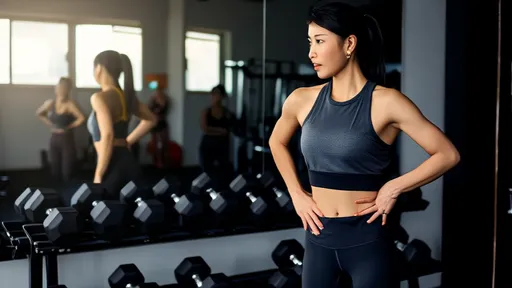
When engaging in dynamic, high-intensity practices such as Vinyasa flow, Ashtanga, or even power yoga, the body demands a significant amount of support and stability. These styles involve constant movement, rapid transitions, and deep muscle engagement. A pair of yoga pants with a higher level of compression is ideal here. The firm, supportive embrace helps to stabilize large muscle groups in the legs and core, providing a sensation of security that can enhance proprioception—the body's awareness of its position in space. This allows for more confident and precise movements. Furthermore, the increased compression aids in managing muscle vibration during quick motions, potentially reducing the risk of strain and minimizing energy loss, so you can maintain your power throughout the entire session.
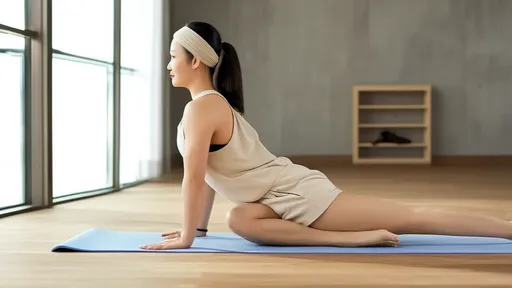
Conversely, for restorative, Yin, or gentle Hatha practices, the primary goals are deep relaxation, prolonged stretching of the connective tissues, and mental calm. In these scenarios, maximum compression can be counterproductive. The intense pressure might feel restrictive when trying to sink into a passive stretch like a supine twist or a supported child's pose. For such activities, low to moderate compression is far more appropriate. This lighter touch offers enough support to feel held and comfortable without impeding the release of tension in the muscles and fascia. The priority is unrestricted comfort that facilitates a meditative state, allowing the body to fully let go and receive the benefits of the practice.
For the multitude of practitioners who enjoy a mixed routine or engage in other forms of exercise like Pilates or barre, medium compression often strikes the perfect balance. This mid-range level provides noticeable support for muscle stabilization during the strengthening components of these disciplines while remaining flexible and comfortable for the stretches and controlled movements. It’s the versatile workhorse of compression wear, suitable for a day that might include a brisk walk, a toning class, and some light stretching. It offers the benefits of enhanced circulation and muscle awareness without the constriction of high-compression gear.
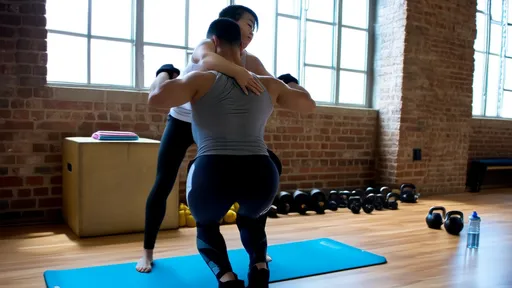
Beyond the activity type, personal preference and individual physiology are paramount. Some individuals naturally prefer the sensation of being "hugged" by their clothing, finding high compression to be calming and supportive even in less intense settings. Others have a much lower tolerance for tightness and will always opt for the least restrictive option available. Factors such as body sensitivity, circulation issues, and even the time of day can influence what feels best. The most advanced piece of equipment is useless if it is uncomfortable. Therefore, the ultimate guide is your own body. It is always recommended to try on different levels of compression and move in them—squat, lunge, bend—to assess the feel before making a decision.
In conclusion, the sophisticated relationship between the pressure gradient of yoga pants and specific运动类型 is a key consideration for optimizing any movement practice. By thoughtfully selecting gear based on the intended activity—opting for high compression for powerful, dynamic flows, low compression for restorative and Yin sessions, and a medium grade for hybrid activities—you invest not just in apparel, but in your overall performance and well-being. This mindful approach ensures that your clothing acts as a true partner in your practice, empowering you to move better, recover faster, and connect more deeply with your body.
By /Aug 25, 2025
By /Aug 25, 2025
By /Aug 25, 2025
By /Aug 25, 2025
By /Aug 25, 2025
By /Aug 25, 2025
By /Aug 25, 2025

By /Aug 25, 2025
By /Aug 25, 2025
By /Aug 25, 2025
By /Aug 25, 2025
By /Aug 25, 2025

By /Aug 25, 2025
By /Aug 25, 2025

By /Aug 25, 2025
By /Aug 25, 2025
By /Aug 25, 2025
By /Aug 25, 2025
By /Aug 25, 2025
By /Aug 25, 2025
