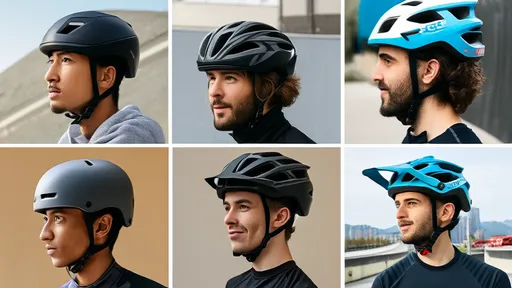
For the active man, finding the perfect balance between style and functionality can be a challenge, especially when it comes to pairing a great haircut with essential safety gear like a helmet. Whether you're an avid cyclist, a dedicated motorcyclist, or engage in high-impact sports, your hairstyle shouldn't be an afterthought. It plays a crucial role in both comfort and safety. A well-chosen cut can mean the difference between a comfortable, secure fit and a distracting, uncomfortable experience that might even compromise protection. This guide delves into the key considerations for selecting a hairstyle that not only looks sharp off the field or road but also works in seamless harmony with your helmet.
The foundation of any helmet-compatible hairstyle lies in its length and texture. Extremely long, voluminous hair can create pressure points and prevent the helmet from sitting flush against the skull, which is vital for proper protection. Conversely, a very short buzz cut might seem like the easiest solution, but it can sometimes lead to increased friction and discomfort against the helmet's inner padding. The sweet spot often lies in short to medium-length styles that offer some manageability. For men with thicker hair, layers can be a godsend. They help reduce bulk without sacrificing style, allowing the helmet to fit more snugly and comfortably. Thinner hair types might benefit from a uniform cut that provides enough coverage to cushion the scalp without adding excessive volume.
Beyond mere length, the shape and structure of your haircut are paramount. Undercuts and fades have surged in popularity, and for good reason—they are remarkably helmet-friendly. These styles keep the sides and back short, eliminating bulk in the areas where the helmet's retention system (the straps and cradle) sits. This means less material to compress, leading to a more secure fit and fewer adjustments. The longer hair on top remains free to be styled post-ride. Similarly, classic tapered cuts follow the same principle, gradually shortening the hair down the sides and neck. This streamlined approach ensures there are no sudden bumps or ridges that could interfere with the helmet's inner shell, promoting a smooth, uninterrupted surface for the helmet to grip.
For those who prefer to keep their hair longer, all is not lost. The key is strategic management. Simply stuffing long hair into a helmet is a recipe for discomfort, uneven pressure, and overheating. The solution is to keep it tightly contained. A low, tight bun positioned at the nape of the neck is often the most effective method. It sits neatly below the helmet's cradle, minimizing bulk under the helmet itself. A sleek ponytail pulled through the back of a baseball cap or cycling cap can also work well for certain sports. The crucial factor is ensuring that no large knots or pins are pressing directly against the scalp under the helmet, as this can create dangerous pressure points and alter the helmet's intended safety performance.
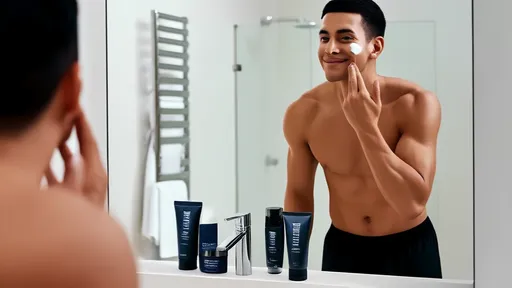
Product usage is a double-edged sword in the world of helmets. While a good styling product can help you achieve your desired look before you gear up, the wrong choice can become a messy problem later. Heavy, greasy pomades and waxes can transfer onto the helmet's interior padding, degrading the materials over time and creating a grimy, unpleasant environment. They can also weigh hair down, making it harder to manage under the helmet. Light-hold products like sea salt sprays or light texturizing sprays are often better allies. They provide definition and control without the sticky residue. For many, the best approach is to style after the activity. A quick post-ride shower and application of product can have you looking your best without compromising your gear's integrity or your comfort during the activity.
Perhaps the most critical step in this entire process is the fit test. A hairstyle might look perfect on paper, but its true test is under the helmet. Never purchase a helmet without considering your typical hairstyle. When trying on a new helmet, wear your hair exactly as you would during your activity. If you use a ponytail or bun, replicate it. Fasten the chin strap and ensure the helmet sits level on your head, with the front edge just above your eyebrows. It should feel snug without causing painful pressure points. The skin on your forehead and cheeks should move slightly if you try to rotate the helmet side to side. If your new haircut creates a loose fit, it's a sign that the style might be too voluminous for safe helmet use. The helmet must remain stable on your head; any significant movement compromises safety.
Post-activity hair care is an often-overlooked aspect of the routine. Helmets, by their nature, can create a warm, humid environment that leads to sweat buildup. This moisture, combined with friction, can stress your hair and scalp. It's essential to rinse your hair after a intense session to remove sweat and salts that can cause dryness and itchiness. Using a gentle, moisturizing shampoo and conditioner can help replenish any lost nutrients. For men with longer hair, this is also the perfect time to detangle any knots that may have formed. Investing a few minutes in recovery not only keeps your hair healthy but also ensures it's ready for its next encounter with your helmet, maintaining both its style and vitality.
Ultimately, the goal is to find a symbiotic relationship between your personal style and your safety equipment. The right运动发型 (yùndòng fàxíng - sport hairstyle) is one that you feel confident wearing anywhere, from the coffee shop to the mountain trail. It shouldn't feel like a compromise. By choosing a cut that reduces bulk, managing longer lengths intelligently, being mindful of products, and always prioritizing a proper helmet fit, you can ensure that your passion for sport doesn't come at the expense of your style or, more importantly, your safety. Your helmet is your most crucial piece of gear; your hairstyle should be its perfect partner.

By /Aug 25, 2025
By /Aug 25, 2025
By /Aug 25, 2025

By /Aug 25, 2025

By /Aug 25, 2025

By /Aug 25, 2025

By /Aug 25, 2025
By /Aug 25, 2025

By /Aug 25, 2025
By /Aug 25, 2025

By /Aug 25, 2025

By /Aug 25, 2025

By /Aug 25, 2025

By /Aug 25, 2025

By /Aug 25, 2025
By /Aug 25, 2025

By /Aug 25, 2025

By /Aug 25, 2025

By /Aug 25, 2025
By /Aug 25, 2025
